domenica 16 aprile 2017

YEAR IV - THE ROMANTIC ERA IN LITERATURE


ROMANTICISM IN LITERATURE
Romanticism (also the Romantic era or the Romantic period) was an artistic, literary, and industrialIndustrial Revolution, it was also a revolt against aristocratic social and political norms of the Age of Enlightenment and a reaction against the scientific rationalization of nature.[2] It was embodied most strongly in the visual arts, music, and literature, but had a major impact on historiography,[3] education[4] and the natural sciences.[5] Its effect on politics was considerable and complex; while for much of the peak Romantic period it was associated with liberalism and radicalism, in the long term its effect on the growth of nationalism was probably more significant.
intellectual movement that originated in Europe toward the end of the 18th century and in most areas was at its peak in the approximate period from 1800 to 1850. Partly a reaction to the
The movement validated strong emotion as an authentic source of
aesthetic experience, placing new emphasis on such emotions as apprehension, horror and terror, and awe—especially that which is experienced in confronting the sublimity of wild nature and its picturesque qualities, both new aesthetic categories. It elevated folk art and ancient custom to something noble, made spontaneity a desirable characteristic (as in the musical impromptu), and argued for a "natural" epistemology of human activities as conditioned by nature in the form of language and customary usage. Romanticism reached beyond the rational and Classicist ideal models to elevate a revived medievalism and elements of art and narrative perceived to be authentically medieval in an attempt to escape the confines of population growth, urban sprawl, and industrialism, and it also attempted to embrace the exotic, unfamiliar, and distant in modes more authentic than Rococo chinoiserie, harnessing the power of the imagination to envision and to escape.

Although the movement was rooted in the German Sturm und Drang movement, which prized intuition and emotion over Enlightenment rationalism, the ideologies and events of the French Revolution laid the background from which both Romanticism and the Counter-Enlightenment emerged. The confines of the Industrial Revolution also had their influence on Romanticism, which was in part an escape from modern realities; indeed, in the second half of the 19th century, "Realism" was offered as a polarized opposite to Romanticism.[6] Romanticism elevated the achievements of what it perceived as heroic individualists and artists, whose pioneering examples would elevate society. It also legitimized the individual imagination as a critical authority, which permitted freedom from classical notions of form in art. There was a strong recourse to historical and natural inevitability, a Zeitgeist, in the representation of its ideas. wiki/Romanticism
 The Romantic Movement in European Literature was most popular in the period from 1800 to 1840. Since Emily Brontë lived from 1818 to 1848, the contemporary literature she read strongly represented this literary era and therefore influenced and contributed to forming her style of writing.

Brontë’s characterization of Heathcliff follows a different pattern and the reader’s expectations concerning the romantic hero are not met. This is because Heathcliff is in fact not a genuine romantic hero, but a variation of it, a Byronic hero.

George Gordon Noel, 6th Baron Byron, who lived from January 1788 to April 1824 and was most commonly known simply as Lord Byron, was a highly regarded and influential British poet and a central figure in the Romantic literary movement. His most famous works include the extended poem Don Juan and the lyric She Walks In Beauty.

When Lord Byron died in 1824, Emily Brontë was only eight years old, too young to have been influenced by his writing. However, Harold Bloom submits that “the Brontës can be said to have invented a relatively new genre, a kind of northern romance, deeply influenced both by Byron’s poetry and by his myth and personality" (Bloom 1). This influence of Byron’s writing on Emily is due to the increase in popularity that Lord Byron’s writing experienced after his death, therefore "dominating [Emily’s] girlhood and (…) young womanhood" (Bloom 2).

The Byronic Hero was named after Lord Byron because it was primarily his writing that influenced and inspired other writers with the development of this character type.Nineteenth century historian and critic Lord Macaulay described the Byronic Hero as “a man proud, moody, cynical, with defiance on his brow, and misery in his heart, a scorner of his kind, implacable in revenge, yet capable of deep and strong affection" (Christiansen, 201), which could be a perfect description of Heathcliff. Byron himself described the hero of his The Corsair (1814) as a “man of loneliness and mystery” (I, VII) who “wild and strange, [he] stood alike exempt from all affection and from all contempt” (I, XII). The Byronic Hero rejects the societies standards of moral and ethical values and “has emotional and intellectual capacities, which are superior to the average man. These heightened abilities force the Byronic hero to be arrogant, confident, abnormally sensitive, and extremely conscious of himself […] to the point of nihilism resulting in his rebellion against life itself” (Thorslev 197). Thanks to Milk in the morning

CLXXIII. "She walks in beauty, like the night" by Lord Byron

SHE walks in beauty, like the night
Of cloudless climes and starry skies,
And all that's best of dark and bright
Meets in her aspect and her eyes;
Thus mellow'd to that tender light         5
Which Heaven to gaudy day denies.
  
One shade the more, one ray the less,
Had half impair'd the nameless grace
Which waves in every raven tress
Or softly lightens o'er her face,  10
Where thoughts serenely sweet express
How pure, how dear their dwelling-place.
  
And on that cheek and o'er that brow
So soft, so calm, yet eloquent,
The smiles that win, the tints that glow,  15
But tell of days in goodness spent,—
A mind at peace with all below,
A heart whose love is innocent.


NOTES ABOUT THE ROMANTIC ERA
We must understand romanticism as a reaction…. like the third law of motion by newton
The romantic era was a reaction to enlightenment and industrial revolution
(as much as i love voltaire… the romantics WERE NOT crazy about him
they were reacting against progress as represented by technical advances)

values of romanticism
-nature in all of its forms
-childhood… before this children were little adults whereas for romantics it needs to be enjoyed
-emotion… i dont need a reason to cry
-religion… voltaire favored deism, but rom liked something you cannot understand … light a              candle… religion is beautiful… catholicism has a revival of faith
-romantic love… the idea you should fall in love and marriage should have its roots in love not economics
-nostalgia… idea that middle ages are cool… folks from the enlightenment saw it as a dark time, but -romantics adored the setting and values and… nature plus casle… too cool!

enlightenment versus romanticism
reason  vs passion
human nature vs  nature
man over nature  vs  nature over man
forward looking vs backward looking
hated middle ages  vs loved innocence and chivalry

romanticism is a critique of progress….you can see it in landscape paintings
they look at progress in a different way than before

literature produced
poetry, novels , art

                                                                 Oliver Goldsmith


IN the deserted village, HE emphasized depopulation of english countryside
with a before and after


The Deserted Village

Sweet Auburn, loveliest village of the plain,
Where health and plenty cheered the labouring swain…
Dear lovely bowers of innocence and ease,
Seats of my youth, when every sport could please,

How often have I loitered o’er thy gren,
Where humble happiness endeared each scene:
How often have I paused on every charm,
The sheltered cot, the cultivated farm…

(Here I interrupt the poem to make a comment:
VOCABULARY
To romanticize something is to describe or imagine it as being better than it actually is
It's VERY EASY TO BE NOSTALGIC ABOUT THE PAST!
BACK TO THE POEM, and the part where he describes the horrible present conditions of the village:)

The man of wealth and pride
Takes up a space that many poor supplied…
His seat, where solitary sports are seen,
Indignant spurns the cottage from the green:
Around the world each needful product flies,
For all the luxuries the world supplies:

While thus the land, adorned for pleasure all,
In barren splendour feebly awaits the fall.


we have lost something beautiful for what… for luxury
because there are many new members of the gentry!
yes we have everything… but it has come at a price
look at what we have lost

so this poem is the
essence of romantic critique of industrial revolution

another critique is mary shelley (inside the romantic/victorian period, see my post on GOTHIC literature) - frankenstein is a critique of the excesses of science
Goal: perfect man
Outcome: monster
idea that science can do anything… a man of science sets out to do God’s work
yet, according to romantics, some things shloud be left in the dark and should be mystical
it is ok not to understand
and in fact to take science too far is often to risk disaster

THE ROMANTIC ERA AS EXPRESSED IN ART AND LITERATURE:

romantic art
18th cent art dominated by human subjects (neoclassical)
enlightenment all about people … also in its art
romanticism is more bout nature and landscapes
the focus is the lake… about emotions
the most noted rom caspar friedric … german landscape painter (wanderer above a sea of fog) … look at what I’m looking at… that is what matters
instead of people… so self absorbed
moonrise over the sun friedrich
man and woman contemplating the moon
the morning - like you are out and have a big view and start to think about how small you are
your smallness and nature’s grandness - solitary tree

landscape painting is domineering feature of rom art
karl friedrich schinkel - prussian architect turned painter… he saw the wanderer and thought I can never top that and then went to do some architector
responsible for gothic revival architecture of the romantic era
a gate in the rocks -you’re looking at the sky and the beauty of nature
morning - sunrise, children playing (another glorified fieature)
medieval town by water -
friedrichswerder church - gothic revival building, vaulted ceilings, and it is magnificent, very beautiful and medieval
jmw turner english romantic landscape painter - very prolific !
the slave ship 1840 by turner, oil on canvas, what is important there is the storm, which brings the triumph of nature over man, and this cargo is wrong and immoral, bringing slaves against their will… here comes nature the hero… everybody is drowning, nature is taking out its frustration on humanity


when he wasn’t writing poetry Willie was painting dense stuff
illustrations of christ’s nativity, etc
very bizarre
great red dragon paintings - this is inspired in the book of revelations… the woman fighting the dragon

TWO POEMS BY BLAKE, WILLIAM
english romantic painter and poet

songs of innocece
songs of experience

THE TYGER
Tyger! Tyger! burning bright
In the forest of the night,
What immortal hand or eye
Could frame thy fearful symmetry?

In what distant deeps or skies
Burnt the fire of thine eyes?
On what wings dare he aspire?
What the hand dare seize the fire?

And what shoulder, and what art,
Could twist the sinews of thy heart?
And when thy heart began to beat,
What dread hand? and what dread feet?

What the hammer? what the chain?
In what furnace was thy brain?
What the anvil? what dread grasp
Dare its deadly terrors clasp?

When the stars threw down their spears,
And watered heaven with their tears,
Did he smile his work to see?
Did he who made the Lamb make thee?

Tyger! Tyger! burning bright
In the forests of the night,
What immortal hand or eye 
Dare frame thy fearful symmetry?


THE LAMB
Little Lamb who made thee 
         Dost thou know who made thee 
Gave thee life & bid thee feed. 
By the stream & o'er the mead;
Gave thee clothing of delight,
Softest clothing wooly bright;
Gave thee such a tender voice,
Making all the vales rejoice! 
         Little Lamb who made thee 
         Dost thou know who made thee 

         Little Lamb I'll tell thee,
         Little Lamb I'll tell thee!
He is called by thy name,
For he calls himself a Lamb: 
He is meek & he is mild, 
He became a little child: 
I a child & thou a lamb, 
We are called by his name.
         Little Lamb God bless thee. 
         Little Lamb God bless thee.
AND LASTLY, AN ITALIAN ANALYSIS OF BLAKE: (thank you, oilproject.org)
William Blake è un poeta della prima generazione romantica inglese ed è considerato un precursore delle tematiche tipiche di questo movimento su scala europea, sebbene egli abbia rappresentato, per la visione del mondo e per le opere prodotte, una figura isolata rispetto ai contemporanei William Wordsworth (1770-1850) e Samuel Taylor Coleridge (1772-1834).
Blake nasce nel 1757 in una famiglia della classe medio-bassa (il padre era un venditore di calze) e a dieci anni viene mandato in una scuola di disegno per diventare incisore. Sin da bambino, William affianca all’interesse per il disegno la passione per la Bibbia, che diventerà l’opera di riferimento per la sua attività creativa, sia nei testi letterari che nei suoi disegni, dipinti e incisioni. Nel 1778 Blake si iscrive alla Royal Academy of Arts per seguire un corso della durata di sei anni e nel 1788 iniziò a sperimentare l’incisione a rilievo, che utilizzò poi per i Songs of Innocence (1789) e i Songs of Experience (1794) e molte altre opere, come la raccolta di prose The marriage of Heaven and Hell (1793): una caratteristica dell’arte di Blake è quella dell’associare in maniera poliedrica testo e immagine, con la funzione di fornire un corrispettivo visivo a ciò che viene detto nel testo. Assai vicino al concetto di “sublime” formulato dal Romanticismo ed influenzato dalle correnti mistiche della fede religiosa 1, Blake sperimenta nuove tecniche di stampa a colori, e si dedica a importanti lavori di illustrazione, quali quelli per il Paradiso perduto di Milton, per il Libro di Giobbe, considerato il suo capolavoro, e per la Divina Commedia di Dante, lasciata incompiuta per la morte nel 1827.
Nel corso della sua vita, Blake manifesterà in più di un’occasione la propria originalità e indipendenza di pensiero: dal sostegno alla Rivoluzione americana e alla Rivoluzione francese (almeno fino all’instaurarsi del regime del Terrore di Robespierre) ai conflitti con la Chiesa d’Inghilterra fino alle delusioni lavorative (come un progetto di illustrazione dei Racconti di Canterbury di Geoffrey Chaucer per cui Blake si scontra con il suo editore). Proprio per la sua personalità alternativa e ribelle, Blake venne a più riprese considerato “pazzo” dai contemporanei, salvo poi essere rivalutato successivamente - ad esempio, dal movimento preraffaellita e dal Simbolismo - fino all’opera dello scrittore Aldous Huxley 2 e al movimento della contestazione degli anni ‘60 del Novecento.

I Songs of Innocence e i Songs of Experience

L’opera di Blake, nonostante le apparenze, è molto complessa, poiché tutti suoi testi si prestano a letture stratificate, che all’interpretazione svelano piani metaforici e simbolici assai stratificati. La visione del mondo di Blake è infatti articolata e sfaccettata, e si nutre di una ricca mitologia personale, sviluppata soprattutto nelle opere pubblicate tra il 1790 e il 1804, come The French Revolution, America: a Prophecy, Europe: a Prophecy e The Marriage of Heaven and Hell. Il testo di riferimento nell’immaginario del poeta è sempre la Bibbia, da cui Blake trae spesso ispirazione anche per le sue visioni più ambigue e oniriche.
Nei Songs of Innocence e nei successivi Songs of Experience l’elemento più evidente - sin dai due titoli - è la contrapposizione tra due stati dell’esistenza umana: da un lato la “innocence”, ovvero un mondo colmo di gioia e felicità per l’uomo e che ha le fattezze di un giardino dell’Eden popolato di immagini simboliche di Cristo (come agnelli e fanciulli); dall’altro lato la “experience”, che costituisce il controcanto di questo mondo paradisiaco, che è tale solo in apparenza, finché non entra in contatto con la dura realtà del mondo. Questa contrapposizione è costituisce l’ossatura delle due raccolte: ai testi dei Songs of Innocence Blake fa infatti corrisponde gli analoghi dei Songs of Experience, che ne capovolgono gli ideali alla luce dell’esperienza del Male e dell’ingiustizia quotidiana.
Queste due condizione esistenziali sono però complementari: se nei Songs of Innocence Blake rappresenta uno stato ideale non ancora corrotto 3, d’altro canto il poeta stesso sa che questa realtà è illusoria, poiché il mondo dell’esperienza è segnato da egoismo, crudeltà e ingiustizie sociali. Blake rappresenta tutto ciò attraverso la figura inquietante della tigre, che è quindi completa quella pura ed incorrotta dell’agnello in The Lamb.

The Tyger e The Lamb: analisi e confronto

La presenza dell’agnello in The Lamb presuppone l’esistenza della tigre, così come la tigre, in The Tyger, esiste solo come controparte dell’agnello. Le due poesie hanno infatti una struttura simile, basata sulle assillanti domande retoriche nelle quali il poeta si chiede chi sia il creatore dell’animale. L’effetto anaforico è poi supportato, sul piano lessicale, dalla ripetizione di “Tyger” (all’inizio della prima e dell’ultima strofa, v. 1 e v. 21) e “Lamb” (all’inizio e alla fine delle due strofe, v. 1, v. 9, vv. 11-12, vv. 19-20 4).
Blake quindi concentra e focalizza l’attenzione del suo lettore sui due animali e sul loro potere evocativo e simbolico. L’agnello è una chiara immagine biblica ed è simbolo dell’innocenza e della purezza, ma anche del sacrificio di Cristo sulla croce 5 per la salvezza dell’umanità dal peccato. L’immagine dell’agnello è però anche fortemente associata a quella del fanciullo nella poesia: entrambi hanno una “tender voice”(v. 7) e sono “meek and mild”(v. 15). Qui dunque Blake parla sì di Cristo ma si riferisca anche alla condizione umana dell’innocenza. La tigre, al contrario, è una creatura spaventosa e temibile. Diversamente dall’agnello essa non appartiene alla simbologia cristiana, anche se le sue caratteristiche - il vivere nelle “forests of the night” (v. 2), la paura suscistata dalla sua “fearful simmetry” (v. 4) e soprattutto l’analogia tra i suoi occhi e il fuoco (“burnt the fire of thine eyes”, v. 6) - la avvicinano ad una creatura satanica, che incarna quindi il lato oscuro e demoniaco dell’uomo. Alla tigre, che è il simbolo della sofferenza che deriva dall’esperienza umana, si collegano dunque le domande senza risposta di Blake (ben tredici su ventiquattro versi), che si interroga senza risultato sulla natura e l’identità di questa entità perturbante. Il confronto tra l’agnello di The Lamb e la tigre della poesia omonima è esplicito al v. 20 (“Did he who made the Lamb make thee?”) quando il poeta si chiede se il principio del Bene e quello del Male possano aver avuto la stessa origine in Dio. Le edizioni dei Songs of Innocence e dei Songs of Experience vennero poi pubblicate insieme con il corredo di 54 illustrazioni di Blake stesso.
I due testi sono così un ottimo esempio della poetica e della concezione della realtà di Blake, che ritiene che il mondo vada “letto” come un libro composto da Dio; in tal senso, in ogni presenza terrena può essere rintracciato un livello di interpretazione simbolico che aiuti a comprendere le ragioni dell’esistenza umana e del messaggio divino. Blake, che nella sua concezione della religione si distacca dalla tradizione ufficiale dalle Chiesa anglicana, si allontana pure dai precetti dell’Illuminismo e, in particolare, dall’idea del primato della ragione umana. Egli anzi afferma, sulla scia di alcune idee del movimento romantico (e si pensi pure all’influsso dello Sturm und Drang tedesco), che fede ed intuito sono gli unici strumenti che garantiscono una vera e profonda conoscenza. Al centro del sistema di pensiero di Blake c’è il ruolo dell’immaginazione, come poi per Wordsworth e Coleridge 6. Blake, riferendosi alla composizione poetica, afferma infatti che solo attraverso l’immaginazione l’uomo può “vedere” al di là della realtà fisica. L’importanza dell’immaginazione è tale che, per Blake, essa non è un atteggiamento mentale, ma è lo stato di esistenza stesso dell’uomo.
La struttura e lo stile di The Lamb e The Tyger sono abbastanza semplici e lineari: dal punto di vista lessicale Blake evita i latinismi o i termini particolarmente aulici (mentre sono presenti alcuni arcaismi), mentre sul piano sintattico i due testi preferiscono un andamento paratattico, con poche subordinate. La struttura strofica e rimica (versi brevi con rime baciate) è particolarmente musicale, grazie anche agli accenti regolari e alle fitte ripetizioni (per The Lamb era anche previsto un accompagnamento musicale). È quindi l’uso di simbologie e immagini complesse a rendere particolarmente difficile l’interpretazione del testo.

YEAR III AND IV - NOTES ABOUT THE ENLIGHTENMENT AND THE RESTORATION

THE ENLIGHTENMENT

the idea of «enlightenment» evokes feelings of hope, doesn't it … yes... but… no!!!!
This is the effect of Puritanism on the government of England!
The boys in Parliament didn’t like king Charles I (or his head!)
Once he was dead, there was much cheering… now what do we do? awkward silence.., then someone said…whatever we want! more cheering, And what do we want? silence... this is to say, nobody really knew what to do without a monarch!
Until one man stepped forward, Oliver Cromwell, leader of newly founded English Commonwealth who had defeated Charles I and the royalists… ruler of commonwealth, which lasted 4 years, then parliament said they wanted a proctectorate, which lasted 6 years.Total: about 10 years without a British monarchy.
In 1658 Cromwell died, and the title of lord protector passed to his son richard who panicked, so they restored the commonwealth … but that didn't work either!
Finally, in 1660 they decided to call up Charles II who was in Spain, and pretend nothing ever happened…
«Hey Charlie, we were only kidding about all that! come on back and rule your kingdom.»
Under puritan protecotrate of cromwell, laws were passed to prevent frivolous enjoyment: all entertainment banned, no public performances, closing of all english theaters less than 50 years after shakespearse’s plays graced a stage


RESTORATION

They put back charles II «let’s RESTORE the monarchy…. we are restoring the country, what everyone knows as English rule»
People start to act differently… after 10 years of puritanism, everyone could flourish again and THAT IS WHAT  BRINGS ABOUT THE ENLIGHTENMENT (OR ALSO AGE OF REASON )
profound faith in human reason and clarity of thought
skeptical attitude towards traditional religion - seeds planted in enlightenment - … this will keep growing leading to Darwin, and humanism

charles II opened two play houses (this means showbusiness was back on), appointed duke’s company, and king’s company.
drama marked by adaptations of shakespeare, appearance of women! on stage,more romantic subplots possible

LITERATURE
Samuel Pepys…author of Pepys’s Diary, rare historical document about personal life of a london aristocrat, window into 17th century … political bias… pepys’s perpective makes him indifferent to the tragedies of the poor
Jonathan Swift, irish… author of Gulliver's Travels
age of enlightenment, beginning of 1700s while others contend it began in 1688 when they put in mary and william of orange. reason, logic… swift criticized enlightened thought and the age of reason… in gulliver’s travels, we see fantastical lands like lilliput, laputa, japan, all of which are talking about the critical failure of 18th century society…
satire: form of literature that ridicules a subject to call attention to its failings and the need for change. it needs understanding to make a point.
people saw gulliver not as scathing of society as it had been inteneed, but as children's entertainment!   
In ‘A modest proposal,’ there is an overabundance of poor children,irony, he highlighted abismal treating of the irish poor… and how did people resposnd ? by laughing… sorry swifty!!
good things about the period: 1707 england and scotland united as great britain under Queen Anne in 1757 british rule in India begins BRITISH IMPERIALISM, which saw almost 2 centuries of british imperialism..that saw hundreds of countries deprived of their natural resources

ultimately reason didn’t solve the problemas of the world, including revolutions in France and America that started to REshape the world
NOVEL as an western art form developed
INDUSTRIALIZATION of labor that made it possible to print large quantities of printed material
and dr Sam Johnson’s publication of first reliable English Dictionary so we could look up the words
seems a long time ago but isnt and were a major step in sthaping the future for better or worse.

sabato 15 aprile 2017

GREATEST AUTHORS

GREAT AUTHORS

They’ve written some of the most recognised lines, dreamt up characters whose fame goes beyond the novels of which they’re the subject, and imagined plots that have captivated readers for centuries. Stretching back over a thousand years, the British literary tradition is vast and shows no signs of coming to a halt. Here’s our guide to a mere handful of Britain’s most famous writers and their most celebrated works. EVERYONE should be familiar with them.

The Beowulf Poet


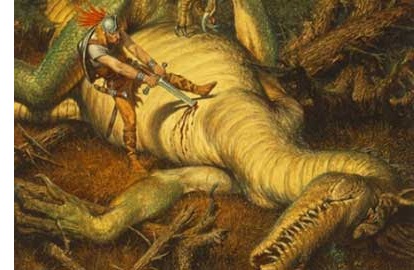
We don’t even know the name of the first famous writer on this list, but his or her composition is one of the most famous poems of all time. The Anglo-Saxon epic known as Beowulf was written sometime between the 7th century and the early 11th, though its exact dating is unknown. The 3,128-line tale – set in Scandinavia – depicts a world of heroes, kings and monsters, shedding a unique light on a period of history that we know comparatively little about. Its most famous scholar was J.R.R. Tolkien, who was influenced by Beowulf in his creation of his own mythological world, Middle Earth.


Geoffrey Chaucer


Geoffrey Chaucer is considered by many to be the Father of English Literature and the greatest poet of the Middle Ages. Born around 1343, he’s most famous for The Canterbury Tales, a series of stories (mostly in verse) based around a group of pilgrims travelling to the shrine of Thomas Becket. The pilgrims have a story-telling competition, resulting in each of the tales being called by the character telling them – The Knight’s Tale, The Miller’s Tale, and so on. Chaucer was instrumental in developing the use of the vernacular Middle English, during a period when most works of literature were being written in Latin or French.


It’s hard to know where to begin when describing the works of possibly the most famous writer of all time, William Shakespeare. Also known simply as “The Bard”, Shakespeare’s works are so numerous, so universally admired, and his characters so memorable, that his output has never been equalled. His characters includeHenry VIII

Hamlet Ophelia

Falstaff and the Merry Wives 
and Lear and Romeo and Juliet

The Elizabethan playwright, born in 1564, continues to captivate audiences with tales of star-crossed lovers in Romeo and Juliet, make audiences ache with laughter at the antics of his mischievous knight Sir John Falstaff in Henry IV Parts 1 and 2, make us recoil in horror at the violence of Titus Andronicus, and inspire romance with his beautiful sonnets. His 37 plays are still performed all over the world every single day, most notably by The Royal Shakespeare Company, headquartered in Shakespeare’s hometown of Stratford-upon-Avon, which counts among its acclaimed productions some of the world’s most famous actors.


William Wordsworth


Another famous poet named William was born in 1770 and helped develop a new literary movement called Romanticism, which saw a new focus on nature and emotion. Famously penning the words “I wandered lonely as a cloud”, Wordsworth is most strongly associated with the Lake District region of England, the beautiful landscape of which was a big inspiration for him. Wordsworth was Poet Laureate from 1843 until he died in 1850, and he’s also noted for The Prelude, a semi-autobiographical poem published after his death.

Jane Austen

Pride and Prejudice was runner-up in a 2003 poll to find Britain’s best-loved book.

The author of such literary classics as Pride and Prejudice and Sense and Sensibility has a deserving place among Britain’s most famous writers. Born in 1775, Jane Austen is known for six novels, all set among the aristocracy and fundamentally romantic, but each also containing much humour and social commentary. Her novels have inspired numerous television and film adaptations, which have served to widen her appeal still further. Characters including Elizabeth Bennet, Mr Darcy, Emma, Marianne Dashwood and many more are familiar to millions of readers around the world, though Austen herself was not famous during her lifetime; she was writing at a time when female writers weren’t taken seriously, so her works were published anonymously while she was alive. It’s hard to believe it now, but her fame was only achieved posthumously, following the publication of a biography by her nephew.


George Eliot


While Jane Austen published anonymously to ensure her work would be taken seriously, Mary Ann Evans used a male pen name to ensure the same, with the result that we know her by the somewhat unfeminine name of George Eliot. Born in 1819, George Eliot wrote several of the most famous works of English literature, including Silas Marner, The Mill on the Floss and Adam Bede. But the crowning glory of her literary output was Middlemarch: a masterpiece of social commentary and a novel considered to this day to be one of the greatest ever written in the English language.

The Brontë sisters


Elizabeth Gaskell’s 1857 biography of Charlotte Brontë established the family’s fame.

The Brontë sisters were contemporaries of George Eliot, living in a parsonage on the Yorkshire moors. There were three of them: Charlotte, born in 1816; Emily, born in 1818; and Anne, born in 1820. Like George Eliot, they wrote under male pen names: Currer, Ellis and Acton respectively. Their works earned attention for their unbridled passion, which was unusual for the time and not always well-received. They all died young, but between them, these remarkable sisters wrote some of the most famous novels in English literature, including Jane Eyre by Charlotte, Wuthering Heights by Emily and The Tenant of Wildfell Hall by Anne.

Charles Dickens

Born in 1812, the Victorian novelist Charles Dickens – considered by many to be the greatest of his age – is responsible for some of the most widely recognised fictional characters ever created. From Oliver Twist and David Copperfield to Ebenezer Scrooge and Miss Havisham, Dickens’ characters are one of the best aspects of his imaginative novels, and just one of the ingredients of his literary genius. His many celebrated novels include Great Expectations, Bleak House, Nicholas Nickleby, A Christmas Carol, The Old Curiosity Shop and The Pickwick Papers. Dickens was a literary celebrity on an unprecedented scale, and one of his many novels – A Tale of Two Cities – is the best-selling novel of all time. His literary influence is so great that his name has spawned a new adjective – “Dickensian” – which means anything reminiscent of his works, particularly as regards the poverty he so vividly describes (though it’s often also used to refer to people who call to mind some of his entertainingly horrible characters).

Thomas Hardy

Thomas Hardy was born in Dorset in 1840.

Thomas Hardy was a younger contemporary of Charles Dickens, born in 1840. His style was rather different, but he was influenced by Dickens and achieved wide literary acclaim in his own right, both as a novelist and, later, a poet (indeed, he considered himself to be more a poet than a novelist, writing novels mainly for the income they brought). While Dickens’ novels tended to be set in an urban environment, Hardy’s focus was the countryside and its decline. Many of his works are set in Wessex, a partly real, partly imagined rural region that harked back to England before the Norman Conquest. His hugely successful novels include Far From the Madding Crowd, Jude the Obscure, Tess of the D’Urbervilles and The Mayor of Casterbridge.

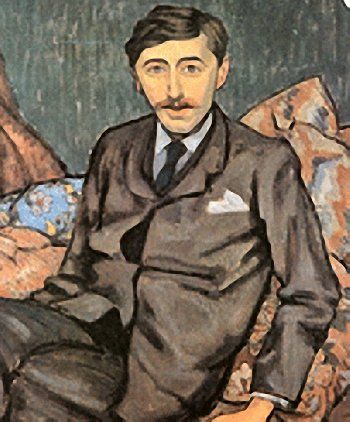
E. M. Forster


E.M. Forster was born in 1879 and is famous for novels including A Passage to India, Howard’s End and A Room with a View. Though his works achieved admiration during his lifetime, they’re best known to readers today through the popular series of film adaptations by Merchant-Ivory Productions. Forster’s works focus primarily on the Edwardian middle classes in different situations; for example, together with Where Angels Fear to Tread, A Room with a View looks at the narrow-mindedness of English tourists in Italy. A Passage to India was Forster’s most successful novel; it concentrates on the relationship between West and East at a time when India was subject to British rule.


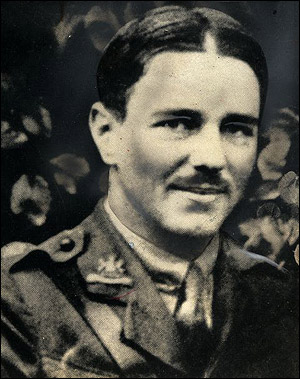
Wilfred Owen

The horrors of the First World War inspired a new generation of poets to write some of the most well-known lines in English poetry, and among the most famous was Wilfred Owen. Owen’s poems graphically describe gruesome scenes from the trenches with brutal realism. His most celebrated poem, Dulce et Decorum Est, depicts the effects of an attack by poison gas, and continues to be recited at commemorative events to this day. Its title is ironic, referring to a line by the Roman poet Horace: “Dulce et decorum est pro patria mori”, which translates roughly as, “It is sweet and honorable to die for one’s country”. Tragically, Owen lost his life just a week before the end of the war, and most of his poems were published after his death.

Evelyn Waugh

Evelyn Waugh is best known for his novel Brideshead Revisited, though he wrote several other well-received novels and was also an accomplished journalist. He was born in 1903 and attended Oxford University, where his experiences were the inspiration for many of the Oxford scenes for which Brideshead Revisited is so famous. The novel was successful at the time of its publication, but it achieved a new following decades later with the release of a long television adaptation starring Jeremy Irons. To this day, there will always be a handful of Oxford undergraduate each year trying to emulate the hedonistic lifestyle of Charles and Sebastian – including, of course, the mandatory teddy bear (inspired, it is said, by the poet John Betjeman’s bear).

J.R.R. Tolkien

There was seemingly no end to the imagination of one of the greatest 20th century English writers. J.R.R. Tolkien (whom we’ve already encountered as a Beowulf scholar) didn’t just pen epic works of fantasy; he created an entire mythology to go with them, complete with languages, maps, chronologies and genealogies. Middle Earth, as he called his extraordinarily detailed imaginary world, was the setting for hugely successful novels including The Hobbit – intended primarily for children – and the rather darker three-volume epic The Lord of the Rings, which has been voted by Amazon readers as their favourite book of the millennium.

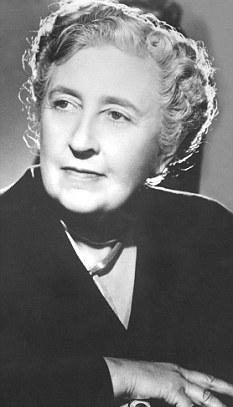
Agatha Christie


David Suchet has played Agatha Christie’s detective Hercule Poirot in ITV adaptations of all 33 novels and numerous short stories.

Agatha Christie is Britain’s most famous crime novelist, the author of 66 detective novels and creator of two of the most well-known literary sleuths, Hercule Poirot and Miss Marple. According to the Guinness Book of Records, Christie is the best-selling novelist of all time; she’s often referred to as “the Queen of Crime” for her mastery of suspense. Her titles include Murder on the Orient Express and Death on the Nile, which were also two of the most popular film adaptations of her works.

 J.K. Rowling


Bringing this list right up to date, we end with J.K. Rowling, author of the phenomenally successful Harry Potter series – seven books that tell the tale of the eponymous young wizard and his battle to save the world from the onslaught of the evil wizard Voldemort. The world Rowling created has captured the imaginations of children and adults alike, in particular the school at the centre of the story, Hogwarts School of Witchcraft and Wizardry. Though Rowling’s novels arguably lack the literary merit of the other novels we’ve mentioned in this article, she’s certainly one of the most famous British writers of modern times, and therefore worthy of a place on this list. She’s now turned her attention to writing books for adults, assuming the pseudonym Robert Galbraith in an attempt to have her writing viewed independently of the success of the Harry Potter series.

LITERARY PERIODS


domenica 9 aprile 2017

YEAR III - PURITANISM

PURITANISM has its seeds under Elizabeth I and later with James I (her successor)

These are the people we imagine as strict, with hats, wearing buckles, dour, more concerned about morals and conforming to the will of God … as described by Nathaniel Hawthorne in The Scarlet Letter… written centuries later but perfectly descriptive.

Puritanism lasted about 150-200 years, spanning two continents,  and multiiple theological views/ ecclesiologies

Puritans went to AMERICA in search of freedom  on MAYFLOWER— exiled and persecuted

BELIEFS
Believed everyone was born sinful
Predestination
God saves a select few
Life is constant struggle against sin
Literal interpretation of Bible

Literature highlights:
themes correspond with puritan religious themes
the bible was a huge influence
new works reflected current events
lots of symbolism to present people at the times
it stressed in both politics and religion both PRAGMATISM AND IDEALISM
It was a strict society. It definitely stressed order in the colony
it required life of blessedness and religiousness
there was not a real line between religious and secular law
stressed Jesus’s coming on Doom’s day. Sinners are to be punished.
THEY FELT SURROUNDED BY SIN - THEY FEARED THE INDIANS

FAMOUS AUTHORS
William Bradford -
wrote about the good Puritan lifestyle


Rodger Williams -
Writer and founder of Rhode Island, exiled to found a new colony because he sympathized with the aboriginal people

Puritan Influence - Nathaniel Hawthorne (AMERICAN) -
influenced by Puritan upbringing in 19th cent
The Renaissance is over, and the years don’t sync up …. there is overlap
monarch in charge
1620-30-40s
Puritans who went to america came from holland, but they first escaped from England to be able to practice their faith !
Puritans caused the civil war, in England, fracturing of the monarchy, the king was dissolved, and the parliament put in charge,

James I -


Elizabeth’s successor, (who Macbeth was written for)
upheld divine right of the King - belief that regent derives power from GOD
Parliament starts to question all this power that the king has… James refuses to give up any power
When he died, parliament was hoping his son Charles I  was going to be different… give more power to parliament than his father did
But Charlie was just like daddy…. that’s where the break occurred and civil war broke out
he disregarded parliament opinion on economic spending
Puritans are starting to have things imposed on them
puritans against charles, puritans take over, puritans win (Oliver Cromwell)
Charles II goes away (he's about 20 at the time, flees to France),

Olver Cromwell
becomes lord protector of the country….since he led the assault against charles I
upon winning, commonwealth says you should be in charge -
AMONG OTHER ATROCITIES, Cromwell forbade celebration of Christmas!


domenica 2 aprile 2017

III - SHAKESPEARE AND HAMLET


                                                  SHAKESPEARE AND HAMLET


The most influential writer in all of English literature, William Shakespeare was born in 1564 to a successful middle-class glove-maker in Stratford-upon-Avon, England. Shakespeare attended grammar school, but his formal education proceeded no further. In 1582 he married an older woman, Anne Hathaway, and had three children with her. Around 1590 he left his family behind and traveled to London to work as an actor and playwright. Public and critical success quickly followed, and Shakespeare eventually became the most popular playwright in England and part-owner of the Globe Theater. His career bridged the reigns of Elizabeth I (ruled 1558–1603) and James I (ruled 1603–1625), and he was a favorite of both monarchs. Indeed, James granted Shakespeare’s company the greatest possible compliment by bestowing upon its members the title of King’s Men. Wealthy and renowned, Shakespeare retired to Stratford and died in 1616 at the age of fifty-two. At the time of Shakespeare’s death, literary luminaries such as Ben Jonson hailed his works as timeless.
Shakespeare’s works were collected and printed in various editions in the century following his death, and by the early eighteenth century his reputation as the greatest poet ever to write in English was well established. The unprecedented admiration garnered by his works led to a fierce curiosity about Shakespeare’s life, but the dearth of biographical information has left many details of Shakespeare’s personal history shrouded in mystery. Some people have concluded from this fact that Shakespeare’s plays were really written by someone else—Francis Bacon and the Earl of Oxford are the two most popular candidates—but the support for this claim is overwhelmingly circumstantial, and the theory is not taken seriously by many scholars.
In the absence of credible evidence to the contrary, Shakespeare must be viewed as the author of the thirty-seven plays and 154 sonnets that bear his name. The legacy of this body of work is immense. A number of Shakespeare’s plays seem to have transcended even the category of brilliance, becoming so influential as to profoundly affect the course of Western literature and culture ever after.
Written during the first part of the seventeenth century (probably in 1600 or 1601), Hamlet was probably first performed in July 1602. It was first published in printed form in 1603 and appeared in an enlarged edition in 1604. As was common practice during the sixteenth and seventeenth centuries, Shakespeare borrowed for his plays ideas and stories from earlier literary works. He could have taken the story of Hamlet from several possible sources, including a twelfth-century Latin history of Denmark compiled by Saxo Grammaticus and a prose work by the French writer François de Belleforest, entitled Histoires Tragiques.
The raw material that Shakespeare appropriated in writing Hamlet is the story of a Danish prince whose uncle murders the prince’s father, marries his mother, and claims the throne. The prince pretends to be feeble-minded to throw his uncle off guard, then manages to kill his uncle in revenge. Shakespeare changed the emphasis of this story entirely, making his Hamlet a philosophically minded prince who delays taking action because his knowledge of his uncle’s crime is so uncertain. Shakespeare went far beyond making uncertainty a personal quirk of Hamlet’s, introducing a number of important ambiguities into the play that even the audience cannot resolve with certainty. For instance, whether Hamlet’s mother, Gertrude, shares in Claudius’s guilt; whether Hamlet continues to love Ophelia even as he spurns her, in Act III; whether Ophelia’s death is suicide or accident; whether the ghost offers reliable knowledge, or seeks to deceive and tempt Hamlet; and, perhaps most importantly, whether Hamlet would be morally justified in taking revenge on his uncle. Shakespeare makes it clear that the stakes riding on some of these questions are enormous—the actions of these characters bring disaster upon an entire kingdom. At the play’s end it is not even clear whether justice has been achieved.

By modifying his source materials in this way, Shakespeare was able to take an unremarkable revenge story and make it resonate with the most fundamental themes and problems of the Renaissance. The Renaissance is a vast cultural phenomenon that began in fifteenth-century Italy with the recovery of classical Greek and Latin texts that had been lost to the Middle Ages. The scholars who enthusiastically rediscovered these classical texts were motivated by an educational and political ideal called (in Latin) humanitas—the idea that all of the capabilities and virtues peculiar to human beings should be studied and developed to their furthest extent. Renaissance humanism, as this movement is now called, generated a new interest in human experience, and also an enormous optimism about the potential scope of human understanding. Hamlet’s famous speech in Act II, “What a piece of work is a man! How noble in reason, how infinite in faculty, in form and moving how express and admirable, in action how like an angel, in apprehension how like a god—the beauty of the world, the paragon of animals!” (II.ii.293–297) is directly based upon one of the major texts of the Italian humanists, Pico della Mirandola’s Oration on the Dignity of Man. For the humanists, the purpose of cultivating reason was to lead to a better understanding of how to act, and their fondest hope was that the coordination of action and understanding would lead to great benefits for society as a whole.
As the Renaissance spread to other countries in the sixteenth and seventeenth centuries, however, a more skeptical strain of humanism developed, stressing the limitations of human understanding. For example, the sixteenth-century French humanist, Michel de Montaigne, was no less interested in studying human experiences than the earlier humanists were, but he maintained that the world of experience was a world of appearances, and that human beings could never hope to see past those appearances into the “realities” that lie behind them. This is the world in which Shakespeare places his characters. Hamlet is faced with the difficult task of correcting an injustice that he can never have sufficient knowledge of—a dilemma that is by no means unique, or even uncommon. And while Hamlet is fond of pointing out questions that cannot be answered because they concern supernatural and metaphysical matters, the play as a whole chiefly demonstrates the difficulty of knowing the truth about other people—their guilt or innocence, their motivations, their feelings, their relative states of sanity or insanity. The world of other people is a world of appearances, and Hamlet is, fundamentally, a play about the difficulty of living in that world.

Plot Overview of HAMLET

On a dark winter night, a ghost walks the ramparts of Elsinore Castle in Denmark. Discovered first by a pair of watchmen, then by the scholar Horatio, the ghost resembles the recently deceased King Hamlet, whose brother Claudius has inherited the throne and married the king’s widow, Queen Gertrude. When Horatio and the watchmen bring Prince Hamlet, the son of Gertrude and the dead king, to see the ghost, it speaks to him, declaring ominously that it is indeed his father’s spirit, and that he was murdered by none other than Claudius. Ordering Hamlet to seek revenge on the man who usurped his throne and married his wife, the ghost disappears with the dawn.
Prince Hamlet devotes himself to avenging his father’s death, but, because he is contemplative and thoughtful by nature, he delays, entering into a deep melancholy and even apparent madness. Claudius and Gertrude worry about the prince’s erratic behavior and attempt to discover its cause. They employ a pair of Hamlet’s friends, Rosencrantz and Guildenstern, to watch him. When Polonius, the pompous Lord Chamberlain, suggests that Hamlet may be mad with love for his daughter, Ophelia, Claudius agrees to spy on Hamlet in conversation with the girl. But though Hamlet certainly seems mad, he does not seem to love Ophelia: he orders her to enter a nunnery and declares that he wishes to ban marriages.
A group of traveling actors comes to Elsinore, and Hamlet seizes upon an idea to test his uncle’s guilt. He will have the players perform a scene closely resembling the sequence by which Hamlet imagines his uncle to have murdered his father, so that if Claudius is guilty, he will surely react. When the moment of the murder arrives in the theater, Claudius leaps up and leaves the room. Hamlet and Horatio agree that this proves his guilt. Hamlet goes to kill Claudius but finds him praying. Since he believes that killing Claudius while in prayer would send Claudius’s soul to heaven, Hamlet considers that it would be an inadequate revenge and decides to wait. Claudius, now frightened of Hamlet’s madness and fearing for his own safety, orders that Hamlet be sent to England at once.
Hamlet goes to confront his mother, in whose bedchamber Polonius has hidden behind a tapestry. Hearing a noise from behind the tapestry, Hamlet believes the king is hiding there. He draws his sword and stabs through the fabric, killing Polonius. For this crime, he is immediately dispatched to England with Rosencrantz and Guildenstern. However, Claudius’s plan for Hamlet includes more than banishment, as he has given Rosencrantz and Guildenstern sealed orders for the King of England demanding that Hamlet be put to death.
In the aftermath of her father’s death, Ophelia goes mad with grief and drowns in the river. Polonius’s son, Laertes, who has been staying in France, returns to Denmark in a rage. Claudius convinces him that Hamlet is to blame for his father’s and sister’s deaths. When Horatio and the king receive letters from Hamlet indicating that the prince has returned to Denmark after pirates attacked his ship en route to England, Claudius concocts a plan to use Laertes’ desire for revenge to secure Hamlet’s death. Laertes will fence with Hamlet in innocent sport, but Claudius will poison Laertes’ blade so that if he draws blood, Hamlet will die. As a backup plan, the king decides to poison a goblet, which he will give Hamlet to drink should Hamlet score the first or second hits of the match. Hamlet returns to the vicinity of Elsinore just as Ophelia’s funeral is taking place. Stricken with grief, he attacks Laertes and declares that he had in fact always loved Ophelia. Back at the castle, he tells Horatio that he believes one must be prepared to die, since death can come at any moment. A foolish courtier named Osric arrives on Claudius’s orders to arrange the fencing match between Hamlet and Laertes.

The sword-fighting begins. Hamlet scores the first hit, but declines to drink from the king’s proffered goblet. Instead, Gertrude takes a drink from it and is swiftly killed by the poison. Laertes succeeds in wounding Hamlet, though Hamlet does not die of the poison immediately. First, Laertes is cut by his own sword’s blade, and, after revealing to Hamlet that Claudius is responsible for the queen’s death, he dies from the blade’s poison. Hamlet then stabs Claudius through with the poisoned sword and forces him to drink down the rest of the poisoned wine. Claudius dies, and Hamlet dies immediately after achieving his revenge.
At this moment, a Norwegian prince named Fortinbras, who has led an army to Denmark and attacked Poland earlier in the play, enters with ambassadors from England, who report that Rosencrantz and Guildenstern are dead. Fortinbras is stunned by the gruesome sight of the entire royal family lying sprawled on the floor dead. He moves to take power of the kingdom. Horatio, fulfilling Hamlet’s last request, tells him Hamlet’s tragic story. Fortinbras orders that Hamlet be carried away in a manner befitting a fallen soldier.


THE SOLILOQUY
Act III – Scene I - Enter Hamlet
To be or not to be, that is the question:
Whether ‘tis nobler in the mind to suffer
The slings(1) and arrows of outrageous fortune,
Or to take arms against a sea of troubles,
And by opposing end them? To die, to sleep –
No more; and by a sleep to say we end
The heart-ache, and the thousand natural shocks
That flesh is heir to (2) ; ‘tis a consummation (3)
Devoutly to be wished. To die, to sleep –
To sleep, perchance (4) to dream, ay, there’s the rub(5);
For in that sleep of death what dreams may come
When we have shuffled off this mortal coil (6),
Must give us pause; there’s (7) the respect
That makes calamity of so long life.
For who would bear the whips and scorns of time(8),
Th’oppressor’s wrong, the proud’s man contumely,(9)
The pangs (10) of despised love, the law’s delay,
The insolence of office(11)  and the spurns (12)
That patient merit of th’unworthy takes (13)
When he himself might his quietus make
With a bare bodkin? Who would fardels bear,
To grunt and sweat under a weary life,
But that the dread (14) of something after death,
The undiscovered country from whose bourn (15)
No traveller returns, puzzles the will,
And make us rather bear those ills we have,
Than fly to others that we know not of?
Thus conscience does make cowards of us all,
And thus the native hue of resolution (16)
Is sicklied o’er with the pale cast(17) of thought,
And enterprises of great pitch (18) and moment
With this regard their currents turn awry.(19)
And lose the name of action.
   
(1)               colpi di fionda
(2)               che è l’eredità della carne
(3)               l’epilogo
(4)               forse
(5)               guaio
(6)               eliminato questo guscio mortale
(7)               ecco
(8)               perché chi sopporterebbe le frustate e i dispetti
(9)               arroganza
(10)            affanni
(11)             chi  ha il potere
(12)            disprezzo
(13)            subisce da parte di quello che è immeritevole
(14)            se non perché il timore
(15)            confine
(16)            il colorito originale della decisione
(17)            s’ammala nella pallida influenza
(18)            importanza
(19)            falliscono

SEE ALSO, FROM SPARKNOTES AS WELL: